Electric Scooter and Wheelchair Hire in Rome: A Guide to Accessible Tourism in Summer
The capital is a unique open-air museum in the world, but for those who wish Visiting Rome in a wheelchair or mobility scooter, Summer can present two major challenges: cobblestones and the scorching sun.
Exactly for this reason, Mia Medical Italy, a leader in the sector of mobility aids, has devised a guide to help you plan an itinerary with the Best accessible routes in Rome, so as to discover the numerous outdoor wonders during the cooler hours of the day, and visit the Wheelchair accessible museums in Rome in the central hours.
What are you waiting for?! Prepare your help, let's go exploring The Eternal City with our Guide to accessible tourism in Rome!
Afraid of Flying? Choose Wheelchair Hire in Rome with Hotel Delivery
Anyone planning a trip dedicated to accessible tourism in Rome share the same concern: boarding their wheelchair or scooter onto a plane and finding it damaged upon arrival.
The safest solution to protect your trip is to travel light and rely on our Professional wheelchair or electric scooter hire service in Rome. We’ll make sure you’re provided with the perfect mobility aid for your needs – fully sanitised, serviced and with a fully charged 100% battery – delivered straight to your hotel reception. That way, you can make the most of your holiday, without any stress at the airport, and with maximum comfort and independence to explore all the city’s charms.
Find the perfect aid for you: contact us at +39 392 65 09 237 for a free consultation
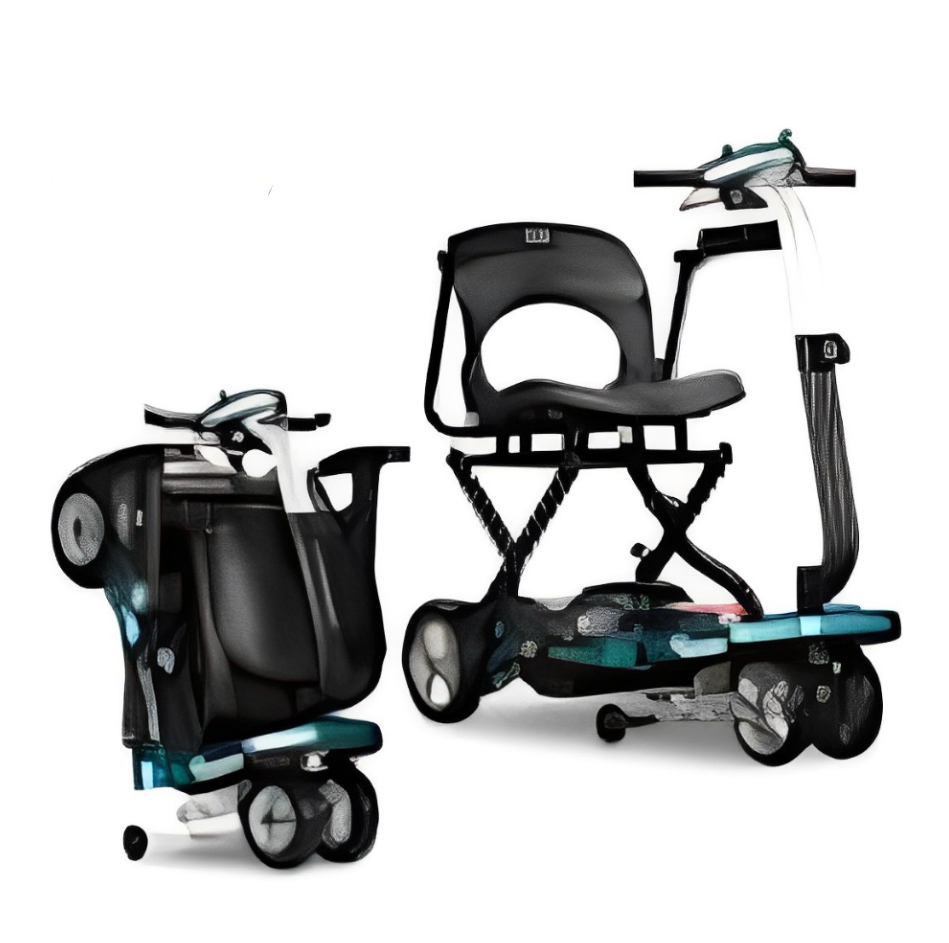
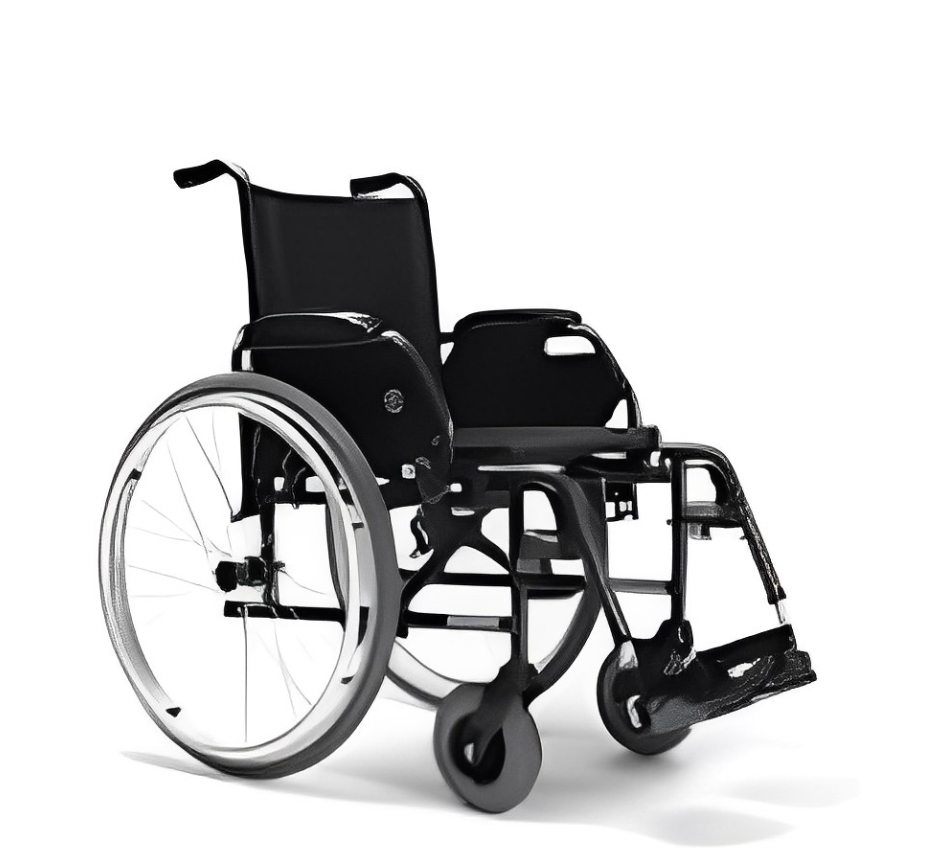
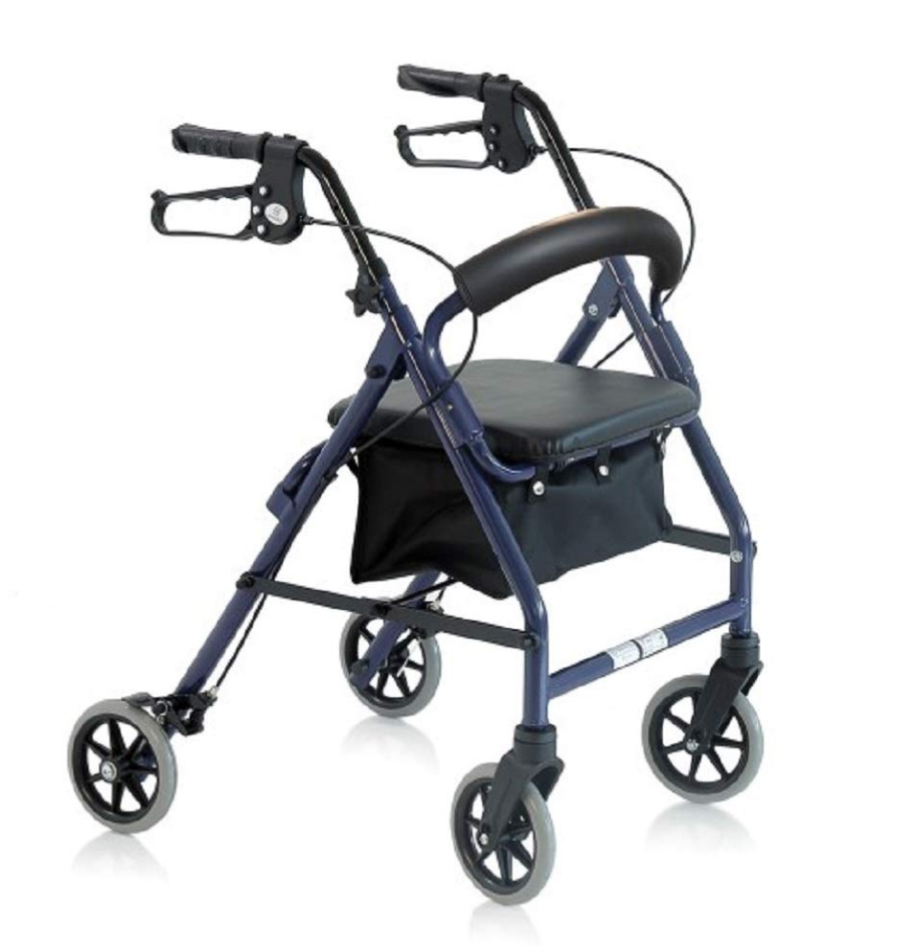
On the website Mia Medical we offer a comprehensive and diverse range of solutions for the accessible tourism in Rome, ready to meet any specific needs:
- Electric Mobility Scooters and Electric Wheelchairs: Perfect for elderly people or those with mobility issues who wish to enjoy the city without getting tired, but also for anyone who wants to cover long distances and overcome the historic gradients of the capital effortlessly – for example, pregnant women.
- Manual Wheelchairs (Folding and Lightweight): The ideal choice in case of sudden injuries occurring shortly before departure (such as a sprain or fracture), allowing you to not give up on your trip and to move agilely even in narrow spaces.
- Outdoor Rollators and Walkers: Designed for those with minor balance issues or mild mobility difficulties. They offer a secure footing on cobblestones and a comfortable integrated seat for resting in the shade during walks.
Contact us on Whatsapp or +39 392 65 09 237 for one free consultation and with no obligation. Our team of experts will help you identify the aid that best suits your needs. Whatever your situation, don't let a temporary limitation or fatigue hold you back: explore the our catalogue e find the ideal travel companion for your Accessible routes in Rome!
Accessible Routes in Rome: The Outdoor Itinerary for Morning and Evening
In the early hours of the morning or after 5:30 PM, the sun sets and the streets cool down. This is the perfect time for a linear itinerary, characterised by wide, flat streets, ideal for those who decide to visit Rome in a wheelchair or with an electric scooter.
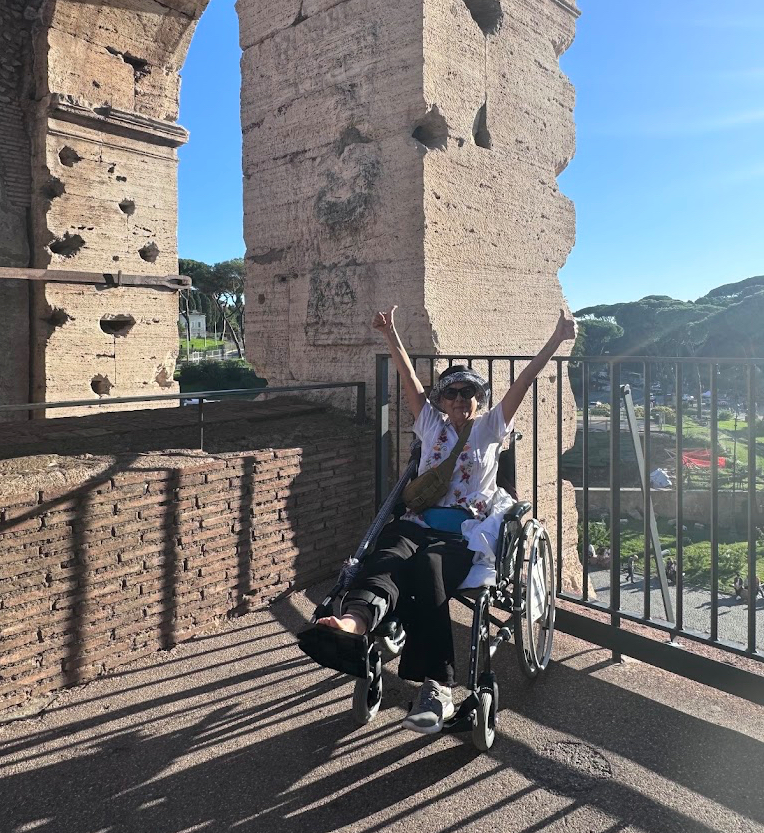
The Colosseum (Flavian Amphitheatre)
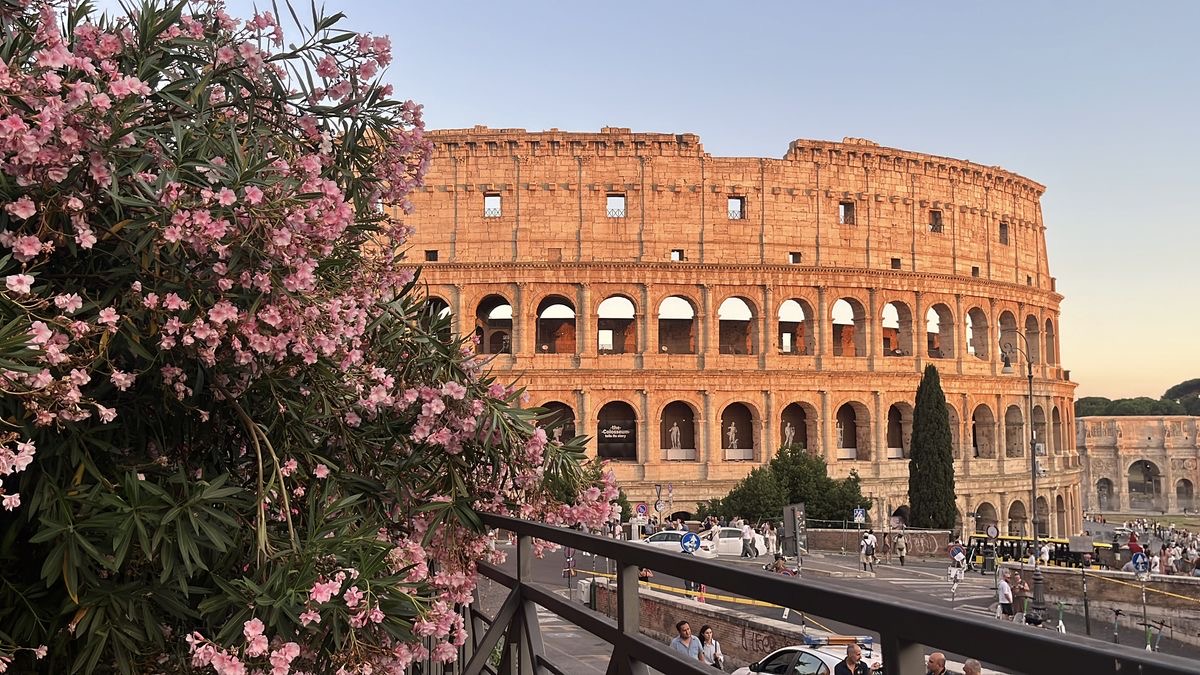
The Colosseum, Originally known as the Flavian Amphitheatre, it is the largest amphitheatre in the world. It was commissioned by Emperor Vespasian in 70 AD and inaugurated by his son Titus in 80 AD. A symbol of Rome's power, it hosted brutal public spectacles, such as gladiator fights and animal hunts.
- Accessibility: Accessible to 100% via the two main entrances. Once you have passed through security after using the priority entrance (which is free for visitors with disabilities and one accompanying person), a modern lift takes you to the upper floors. Furthermore, the internal pathways are smooth and suitable for all types of wheelchairs.
- How to Get There (Accessible Transport): Metro Line B – Colosseo Stop, with an exit providing a direct lift to street level, opposite the monument, or Buses 75, 81, 85, 87.
Archaeological Area of the Imperial Fora
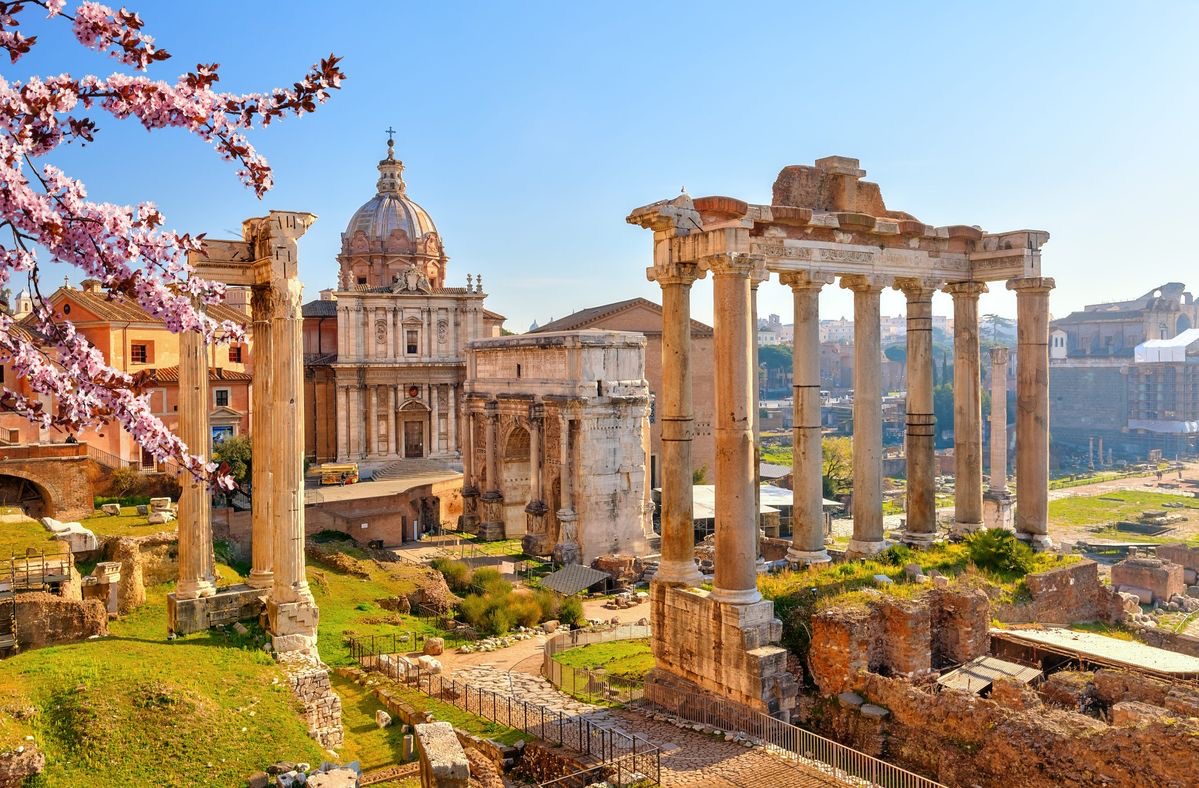
The Imperial Forums Archaeological Area It is located in the heart of Rome, between Piazza Venezia and the Colosseum. It is a complex of five monumental squares built by Roman emperors between 46 BC and 113 AD, which served as the political, religious and commercial centre of Ancient Rome.
- AccessibilityA wooden and paved walkway allows access to the historic ruins. Furthermore, the entrance is equipped with a ramp and a platform lift to overcome level differences. In addition, accessible and equipped toilets are also available.
- How to Get There (Accessible Transport)Alighting at Metro Line B – Colosseo stop, then take Via dei Fori Imperiali, a completely flat walk until you reach the entrance, or alternatively by Bus 51, 85, 87.
Piazza Venezia and the Vittoriano Complex
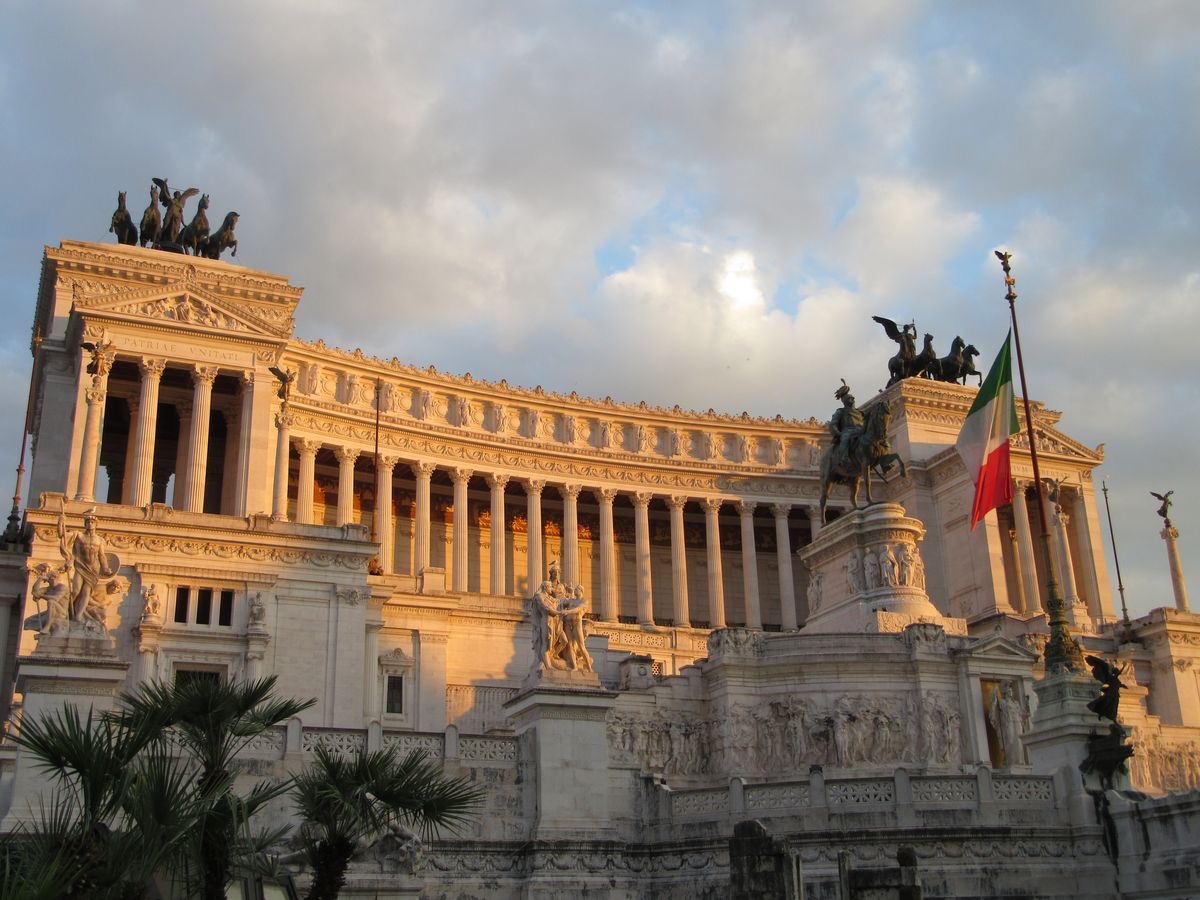
Piazza Venezia, in the heart of the historic centre, is known worldwide for the Vittoriano, also called Altar of the Fatherland, a grand white marble monument, built between 1885 and 1911, dedicated to King Victor Emmanuel II. It also houses the tomb of Unknown soldier, A nameless soldier, dead in war, for this sacred symbol for Italy.
- AccessibilityThe square is very large and has.
- Getting There (Accessible Transport)Reachable on foot along the Forums or via main bus hubs (lines 40, 60, 64, 70, 80).
Via del Corso and Spanish Steps
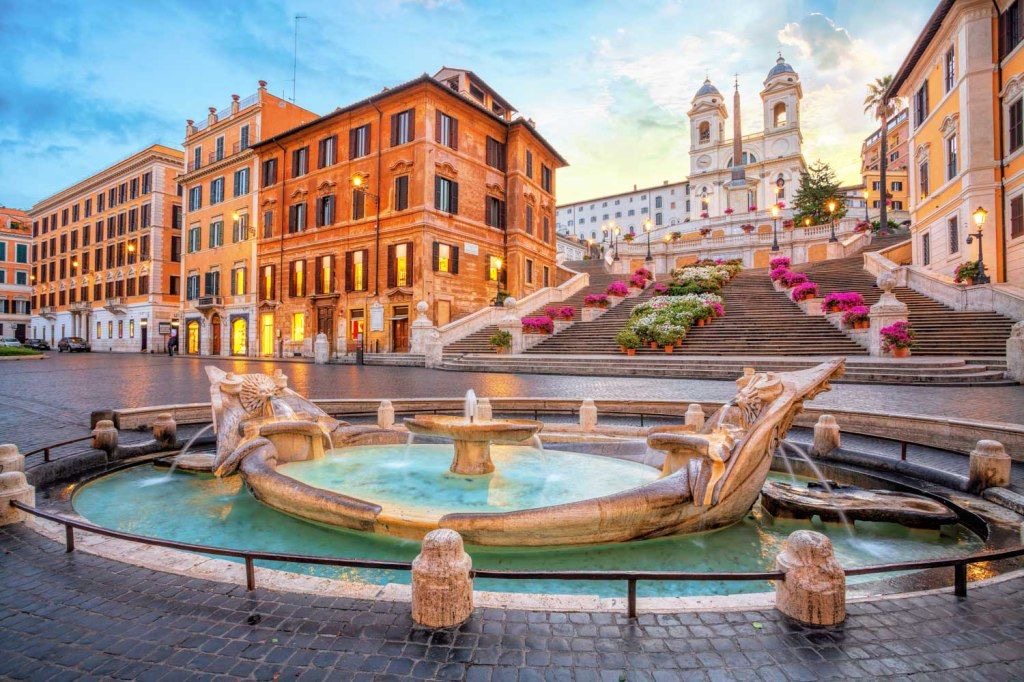
Via del Corso it's the Roman shopping street, whose side street Via dei Condotti leads to Spanish Steps, one of the most elegant places in the world, famous for Bernini's Barcaccia fountain and the evocative Trinità dei Monti steps.
- AccessibilityVia del Corso offers wide pavements and features strips of smooth tarmac or travertine slabs near shop windows, perfect for avoiding cobblestones. Piazza di Spagna is entirely flat and smooth around the fountain.
- Getting There (Accessible Transport): Metro Line A – Spagna station, which has lifts connecting the platform to the square. Alternatively, if you continue along Via dei Fori Imperiali past Piazza Venezia, you will find yourself at the start of Via del Corso.
Piazza del Popolo
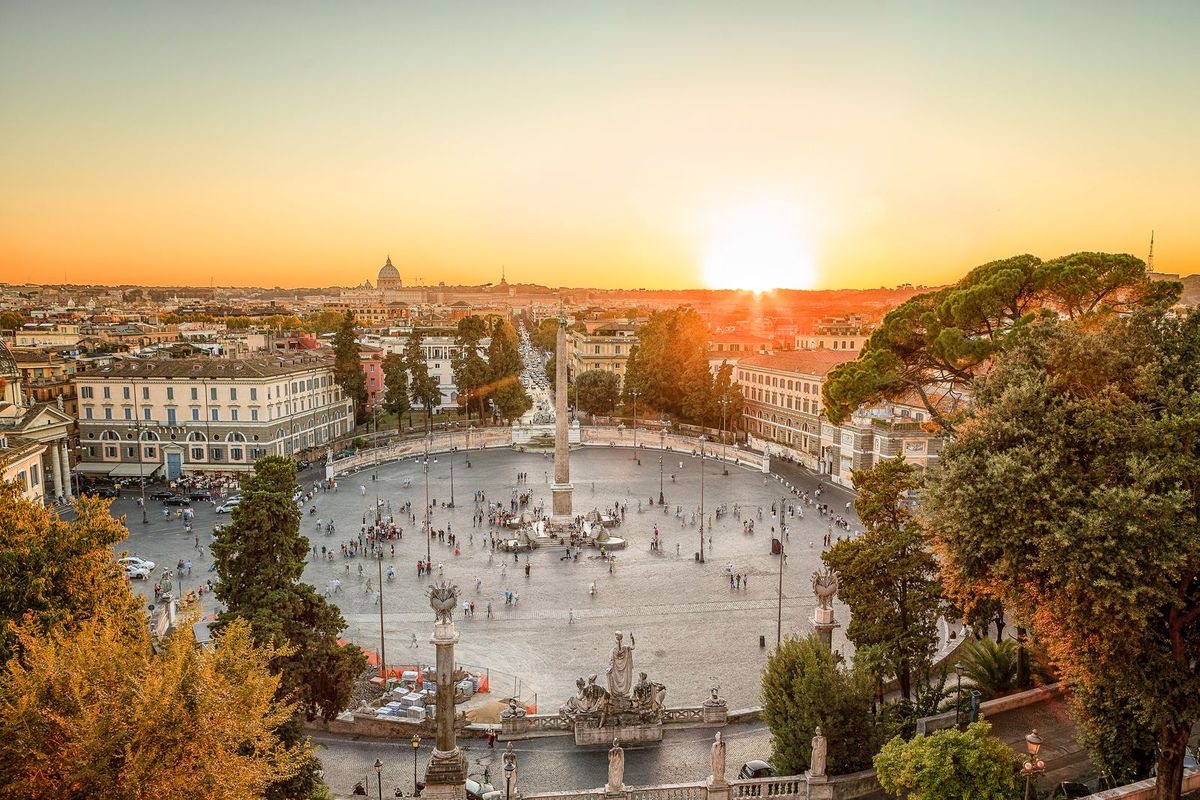
Piazza del Popolo It is a monumental square where the three main streets of Rome's historic centre meet: Via del Corso, Via del Babuino, and Via di Ripetta. It is located at the northern entrance to the city and was designed by Giuseppe Valadier in the early 1800s. It is famous for its obelisk, the twin churches and the basilica which houses masterpieces by Caravaggio
- AccessibilityThe space is gigantic, completely flat and perfect for moving an electric scooter or wheelchair around in total freedom without any architectural barriers.
- Getting There (Accessible Transport)Metro Line A – Flaminio stop (station equipped with lifts) or Tram Line 2. Alternatively, continuing along Via del Corso, the square is at the end of the street.
Wheelchair and Electric Scooter Accessible Museums in Rome: Where to Seek Refuge During the Hot Hours
When the temperature rises and it's inadvisable to stay in the sun, the winning move is to step into an air-conditioned museum. Here's a selection of the best venues for those looking for wheelchair-accessible museums in Rome:
Capitoline Museums (Piazza del Campidoglio)
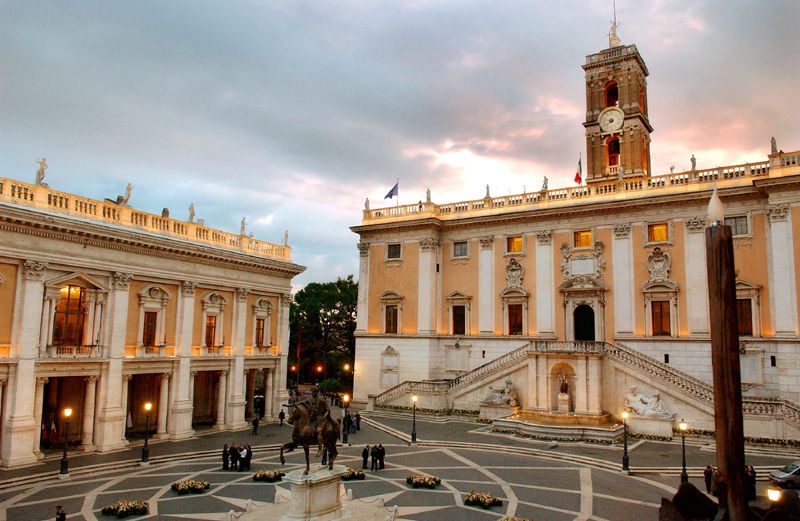
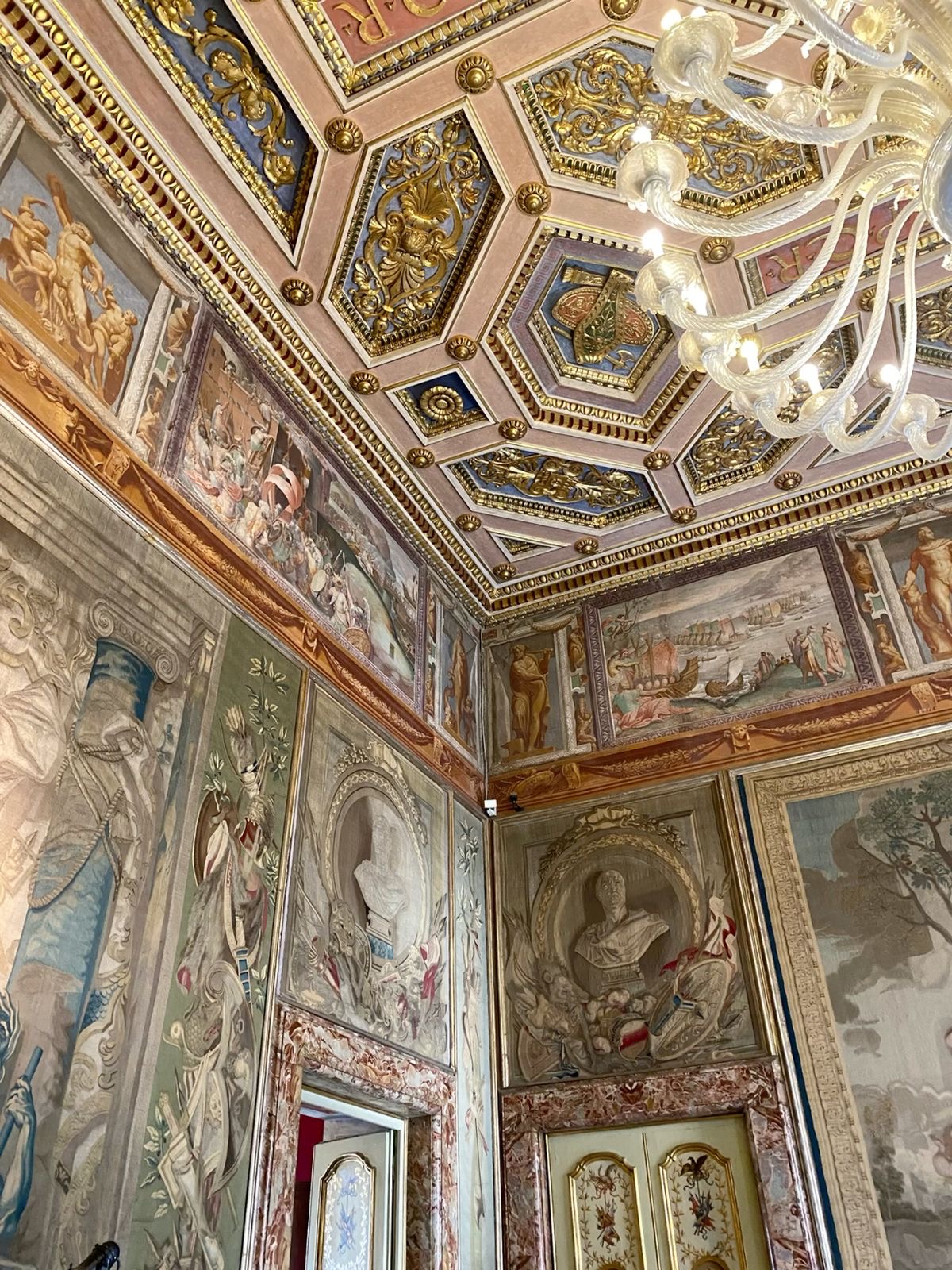
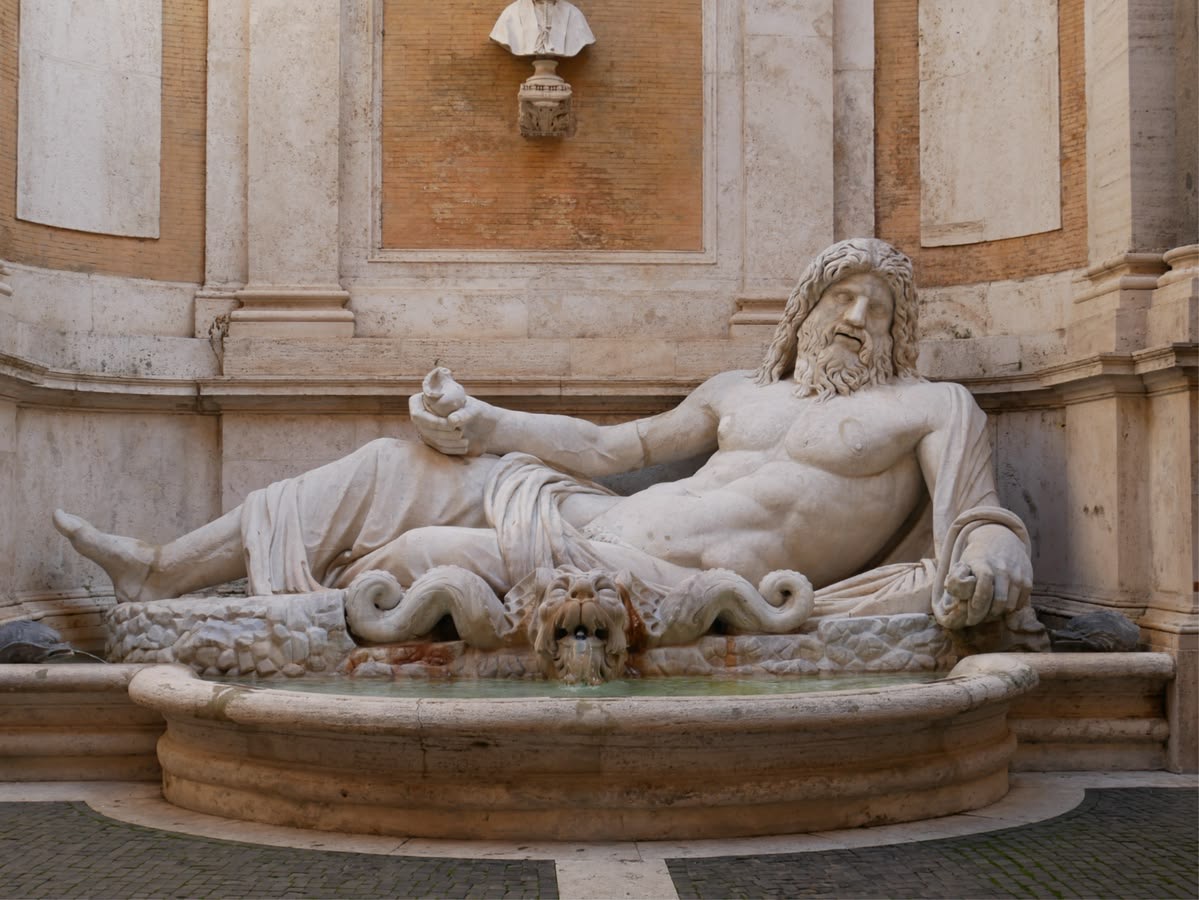
I Capitoline Museums In Piazza del Campidoglio, absolute masterpieces are housed, starting with the bronze statue of the Capitoline Wolf (symbol of Rome), to the Equestrian Statue of Marcus Aurelius, the Capitoline Venus and the Dying Gaul in the Palazzo Nuovo.
- AccessibilityAccess to Piazza del Campidoglio via moving ramp, platform lift and elevators. There are 4 internal stairlifts to reach the underground Lapidary Gallery. Logistical note: reserved parking in Via delle Tre Pile (please notify of your visit by calling 06 67102071).
- Getting There (Accessible Transport): Bus to Piazza Venezia, then climb to the Capitoline Hill via the paved vehicle ramp of Via delle Tre Pile.
Vatican Museums and the Sistine Chapel
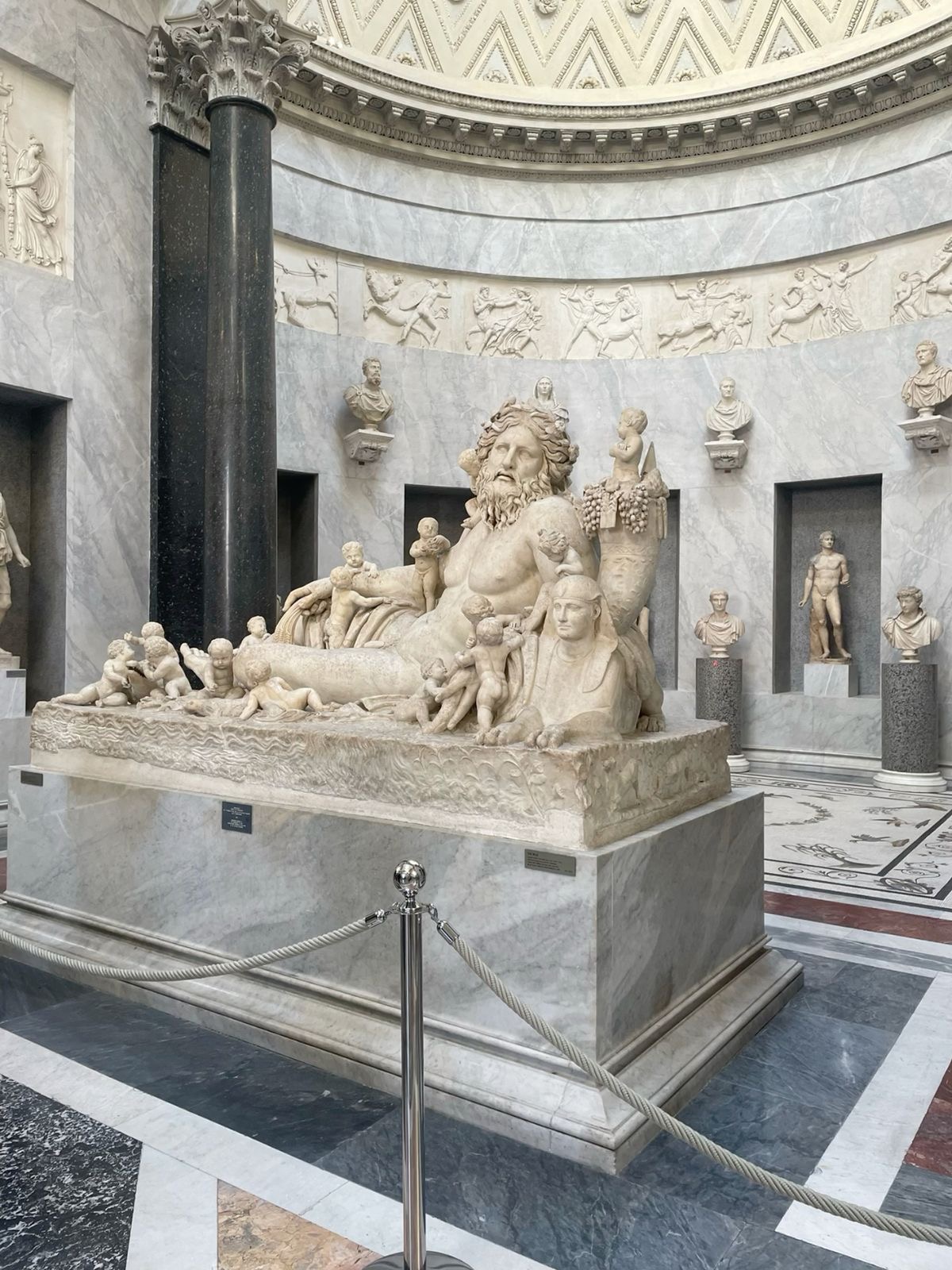
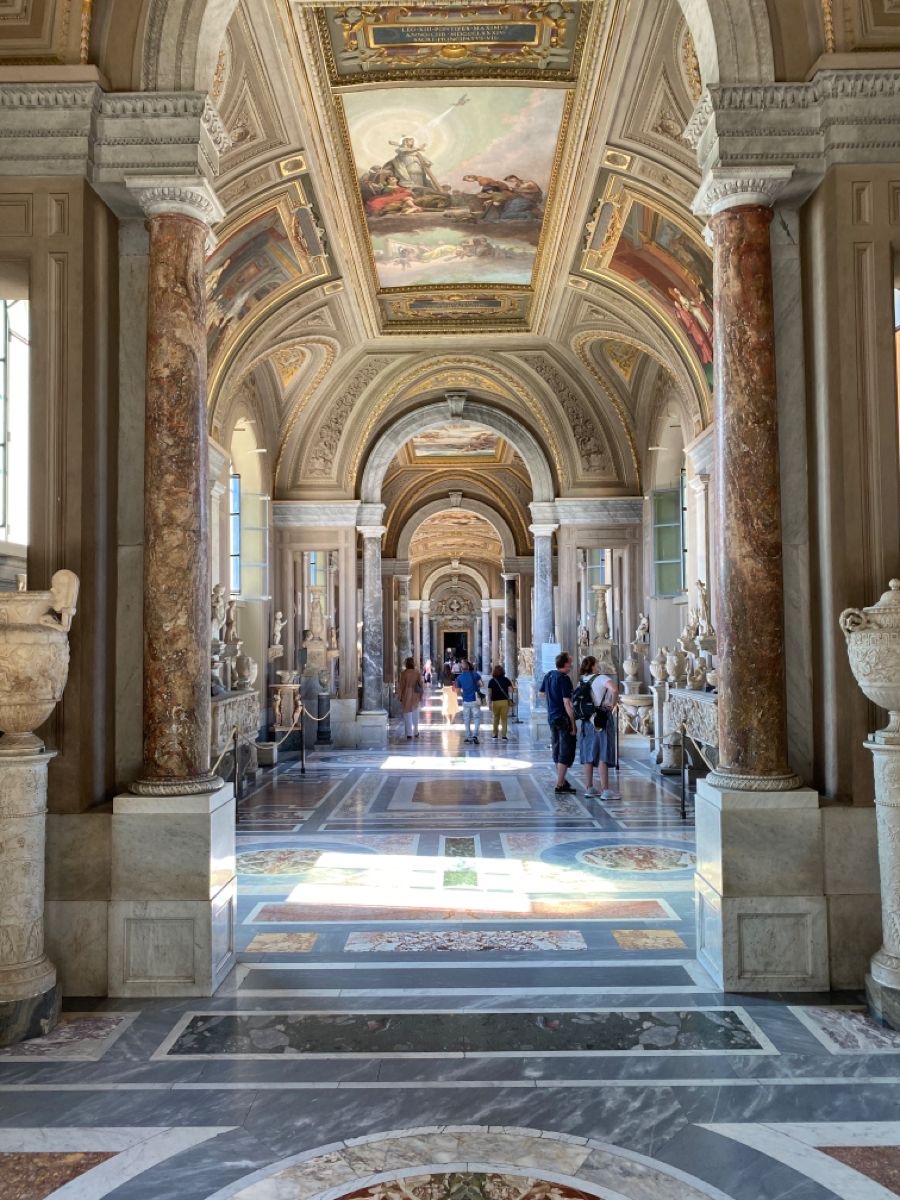
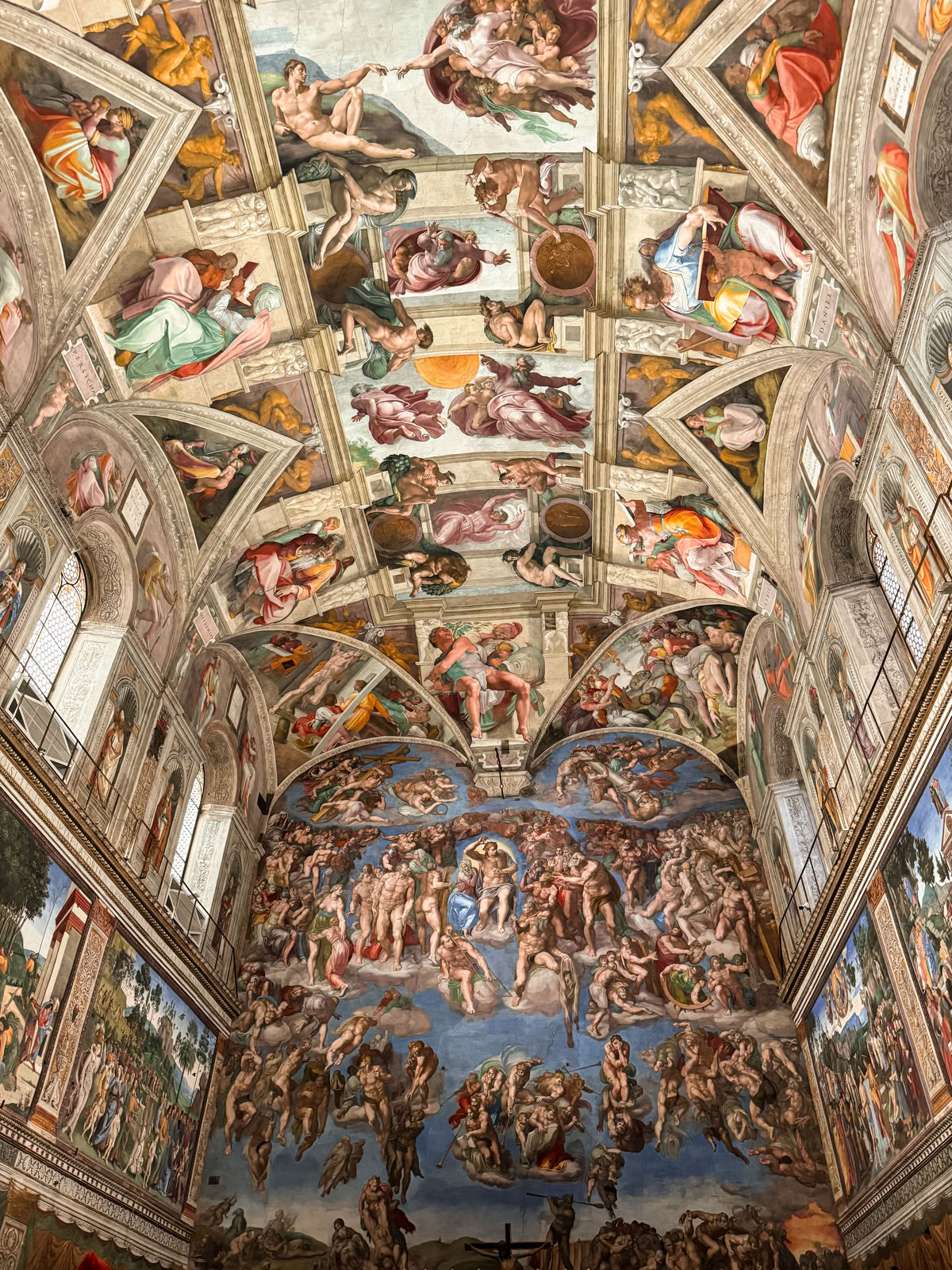
I Vatican Museums I am one of the largest art collections on the planet, culminating in Michelangelo's legendary Sistine Chapel frescoes.
- AccessibilityEntry is accessible and entirely priority, as well as free for visitors with disabilities and their accompanying person. Furthermore, there is a dedicated itinerary for people with mobility impairments, supported by lifts and fixed ramps. Accessible toilets are also available throughout the route.
- How to Get There (Accessible Transport): Metro Line A – Cipro stop (station with lifts), then approximately 10 minutes walk along a wide pavement with ramps.
Galleria Colonna (Colonna Palace)
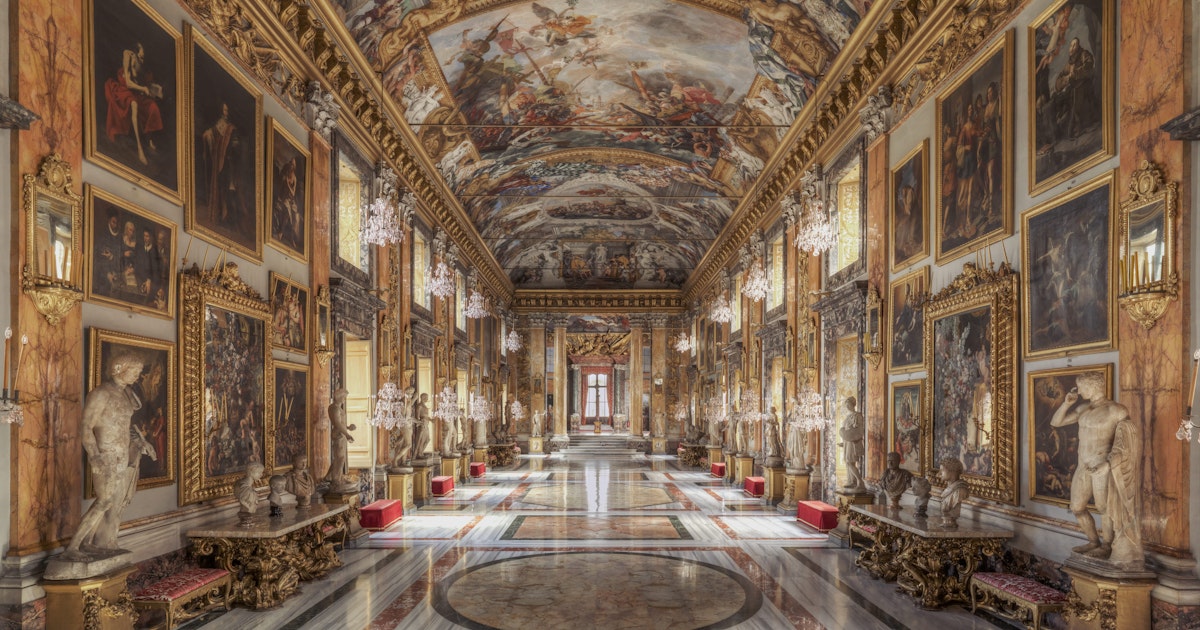
La Colonna Gallery, located within the palace of the same name, it is a jewel of Baroque Rome, as well as housing numerous works of art, including busts, statues, and paintings.
- AccessibilityThe excellent structure for accessible tourism in Rome has reserved parking, easy access, dedicated restrooms, and a completely flat and smooth exhibition path. Please note: The Gallery is a private museum and is open to the public on limited days and times, so be sure to plan your visit in advance by booking your ticket via the official Palazzo Colonna website.
- Getting There (Accessible Transport): Buses to Piazza Venezia or Piazza SS. Apostoli (lines 40, 64, 70, 170).
ETRU – National Etruscan Museum of Villa Giulia
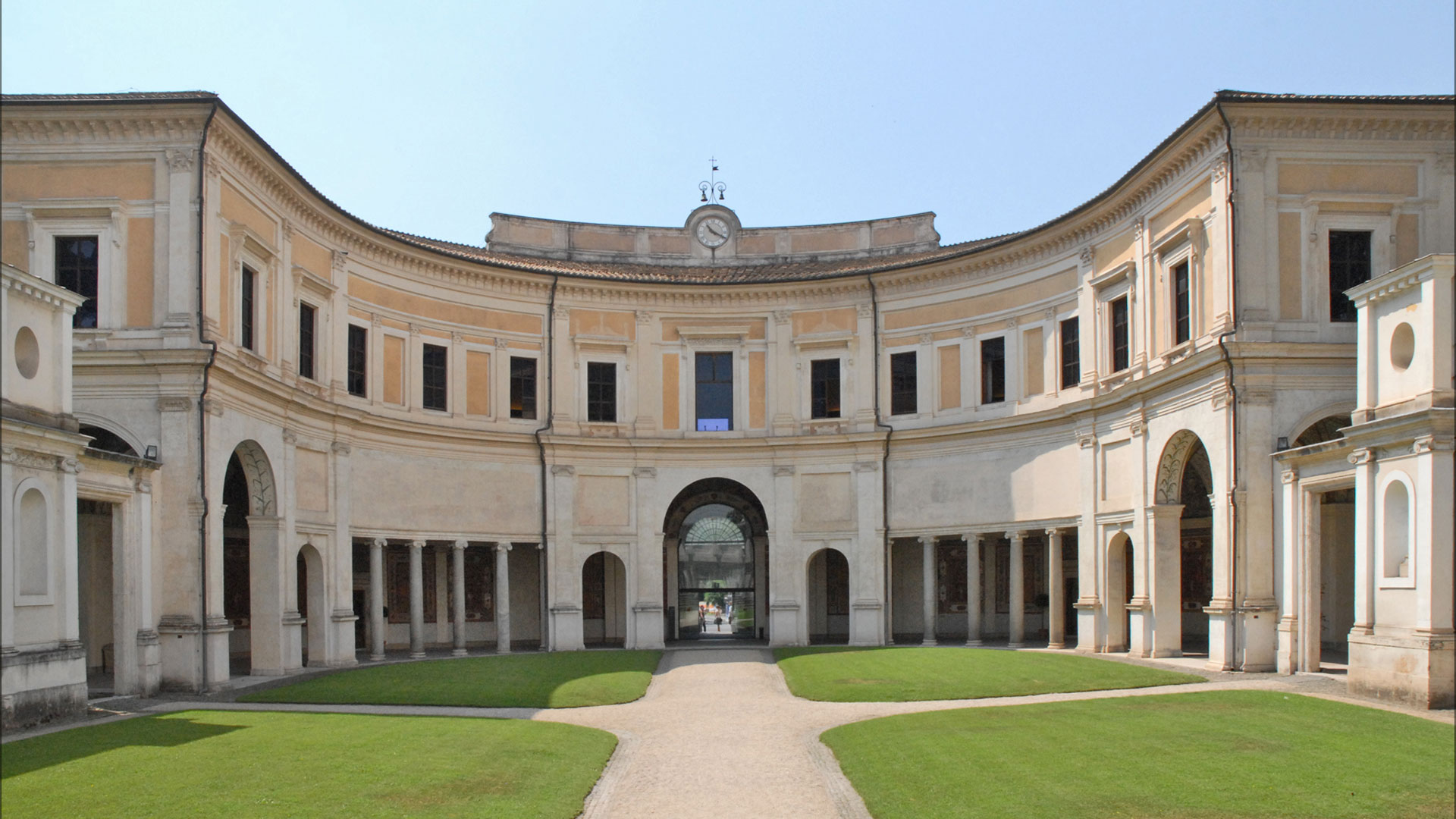
Renaissance residence of Pope Julius III, ETRU it houses the most important collection of Etruscan art in the world, including the celebrated Sarcophagus of the Spouses.
- AccessibilityThe entrance, the toilets, and all internal exhibition routes are fully wheelchair accessible. Additionally, the museum also has reserved parking outside.
- Getting There (Accessible Transport)Tram Line 2 or Line 19 – Etruscan Museum Villa Giulia Stop (tram with accessible ramps and platforms).
Rome Bioparco (Villa Borghese)
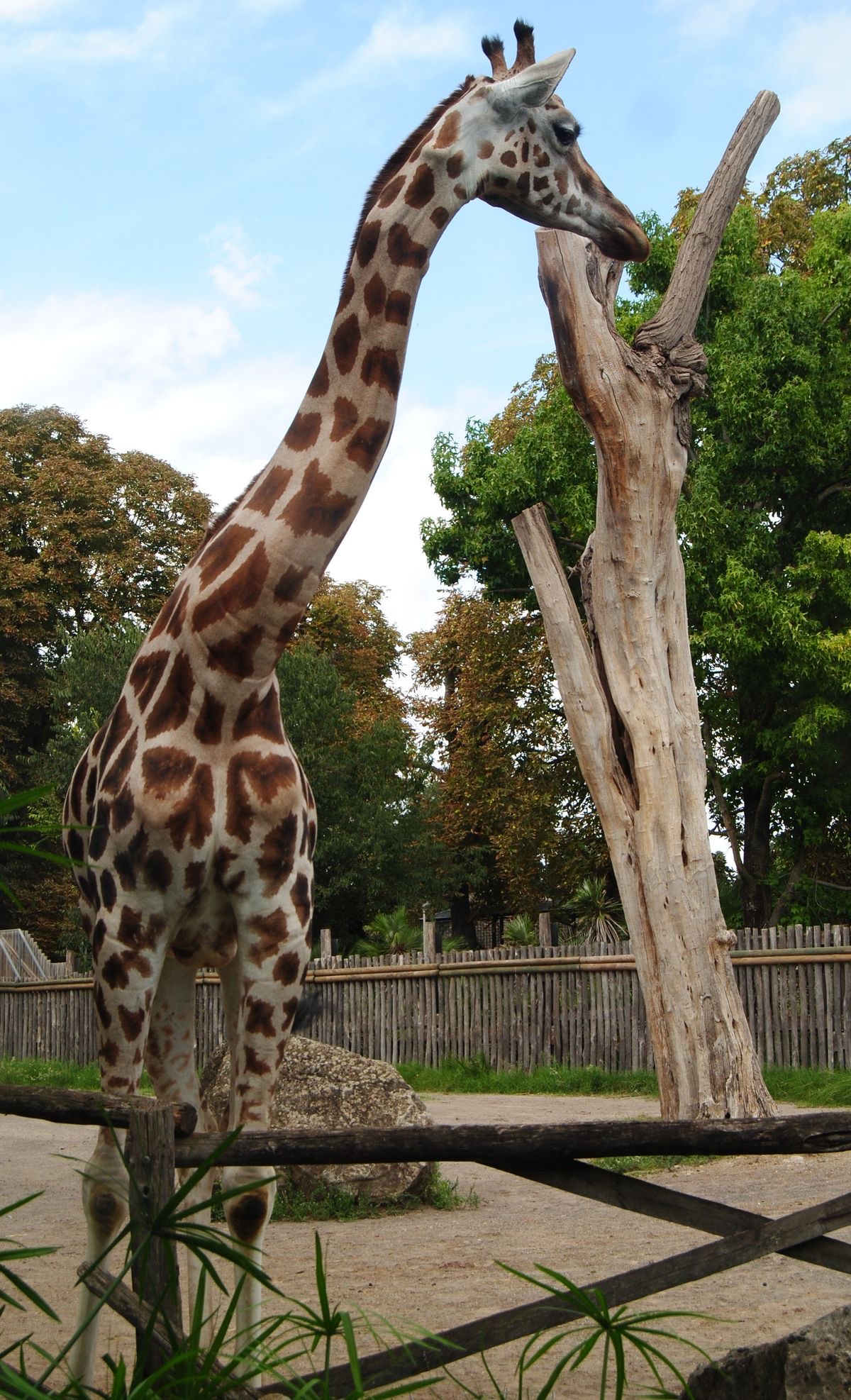
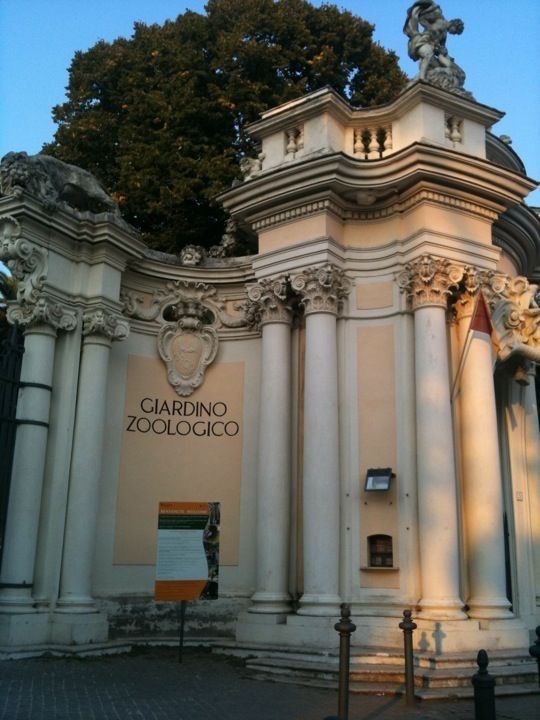

Founded in 1911, the Rome Bioparc It is immersed in the green heart of Villa Borghese, and it is the oldest zoo in Italy. The shade of ancient trees mitigates the summer heat, offering a relaxing walk among over 1200 animals of over 200 different species.
- Accessibility: The venue is wheelchair-accessible (80%). It offers dedicated parking at the entrance, accessible toilets and guidance systems for the blind and deaf.
- How to Get There (Accessible Transport Options)Tram Line 3 or 19 (Bioparco stop) or Bus 52, 53, 910.
Battery Management During Your Accessible Journeys in Rome
The distances in Rome are enormous and the scorching summer asphalt can put a greater strain on the batteries of electronic devices.
So, make the most of the central hours when you visit the Wheelchair accessible museums in Rome to rest your hearing aid in the shade. If necessary, you can ask museum staff for an emergency charging point. Furthermore, by choosing our service electric scooter hire in Rome, we will always provide you with compact and lightweight chargers to carry in your backpack, ensuring maximum peace of mind during your travels.
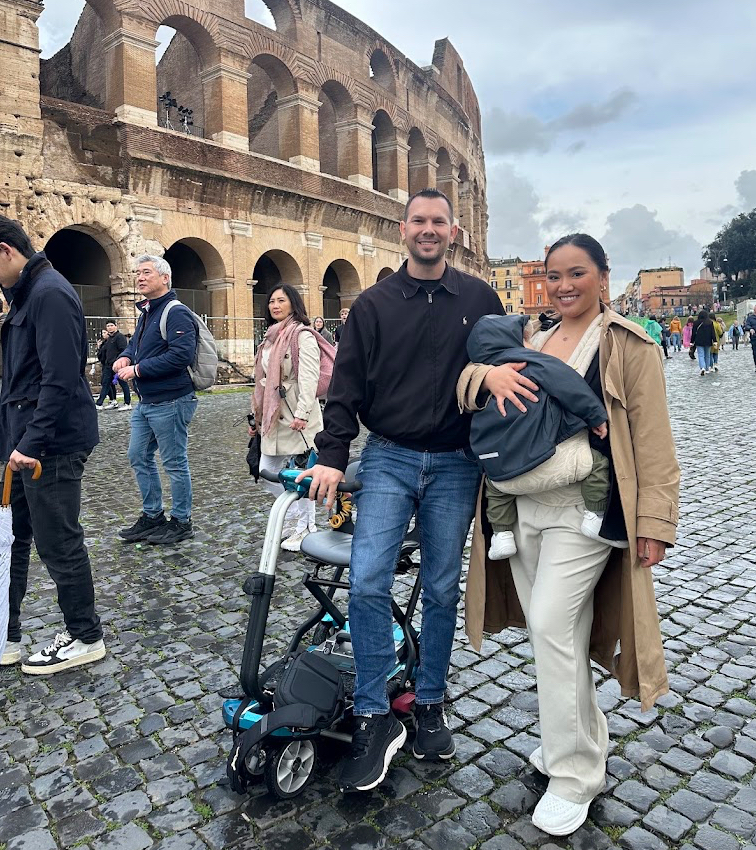
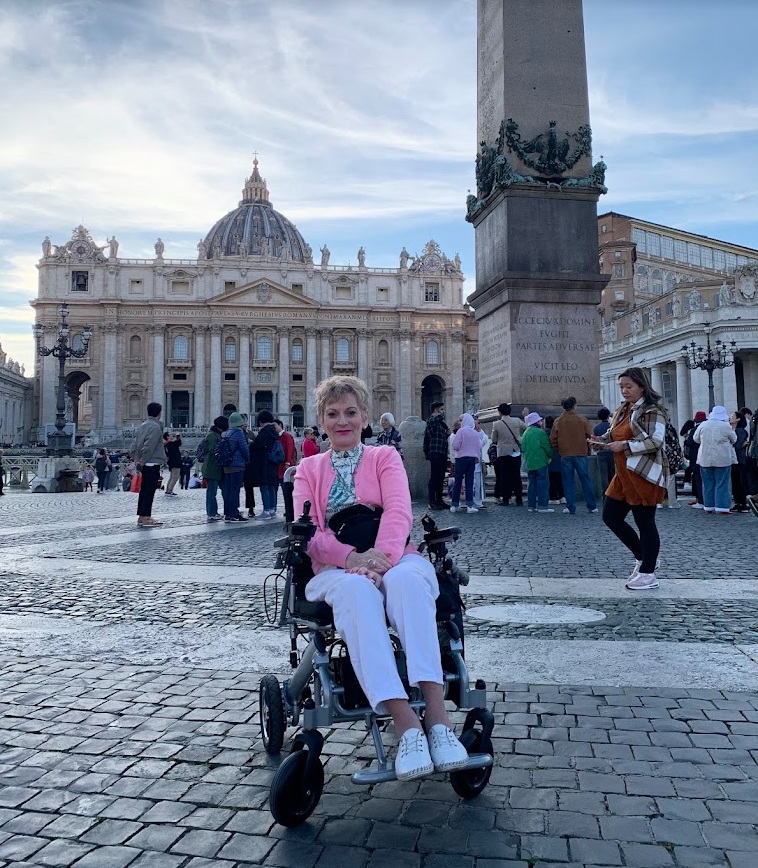
Visit our blog to read the article comprehensive guide on advice to follow and mistakes to avoid when travelling by electric mobility scooter. You will also find a presentation, with an accompanying comparison, of the models available for hire on our website. Furthermore, remember that the Team at Mia Medical Italy is always just a phone call away to clarify any doubts you may have! Call us on +39 392 65 09 237 or send us a message on Whatsapp.
Long Journeys and Transfers? Choose the Accessible NCC Service Mia Medical
While navigating the historic centre is easy with our advice, major logistical movements upon arrival in the city can be daunting, as regular taxis struggle to accommodate heavy mobility scooters or structured electric wheelchairs.
For this, Mia Medical offers a service of Private hire with driver (NCC) fully accessible, equipped with a modern hydraulic lift and trained assistance personnel, specifically for medium and long-haul journeys:
- Transfers to/from Airports: We'll pick you up directly from Fiumicino or Ciampino and take you to your accommodation in Rome in total comfort.
- Day trips and Excursions We organise accessible and personalised transfers for beautiful day trips from Rome to Florence, Napoli to reach the port of Civitavecchia.
Your accessible Roman summer awaits you!
Rome is not just a city to visit, it is an emotion to be lived to the full, without the anxiety of a step or the effort under the sun. Whether you are planning a trip for months or need to manage a last-minute unforeseen event, we at Mia Medical We are here to guarantee you a tailor-made, safe, and unforgettable holiday.
luogo. accessible tourism in RomeExplore our catalogue, choose the perfect aid for your needs, or book your private transfer. Also, don't forget to sign up for our Newsletter to receive a notification every time we publish a new article with tips, practical guides, and much more!