
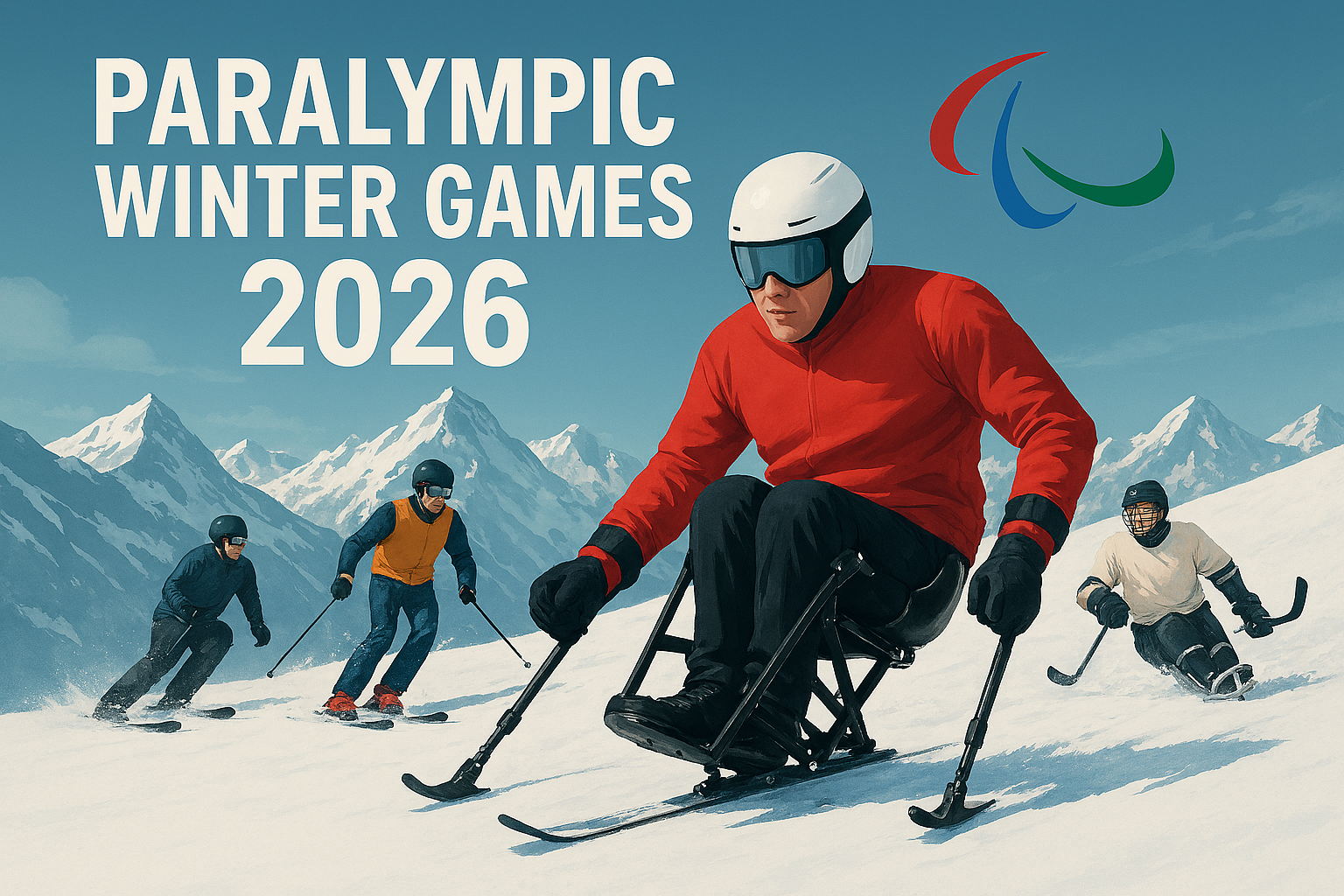
Winter Paralympics 2026: Sport meets Innovation
I Winter Paralympic Games represent one of the most important international sports events dedicated to the athletes with disabilities. For a fortnight, athletes from all over the world compete in different disciplines on snow and ice, demonstrating how the sports may be one concrete tool for inclusion, autonomy and overcoming barriers.
In addition to the sporting dimension, the Paralympics have a strong social and cultural valuecontribute to increasing the awareness on the issues of disability and to promote a representation more correct of people's abilities and potential.
For those like Mia Medical Italy , works every day in the field of aids and mobility, this event is also an opportunity to reflect on the role of technological innovation in improving quality of life and encouraging wider participation in sport and everyday life.
This edition of the Winter Paralympics will be held 6 to 15 March 2026 between Milan, Cortina d'Ampezzo and Val di Fiemme (Tesero). For ten days, athletes from all over the world will compete in the six winter Paralympic disciplines, offering a sporting spectacle of the highest level.
The disciplines of the Winter Paralympics 2026
The programme of the 2026 Paralympic Winter Games, comprises six official disciplines. Each of them has been adapted to allow athletes with different types of disabilities to compete equally.
Underlying Paralympic competitions is in fact a system of sports classification, developed by International Paralympic Commission, which divides athletes into categories according to the type and degree of disability. In snow disciplines, the main categories are:
- Standingathletes with disabilities in the lower or upper limbs who compete in an upright position, often with adapted equipment or sports prostheses.
- Sittingathletes with disabilities involving the lower limbs who compete using equipment such as sit-skiing.
- Visually impairedathletes with visual impairments competing with the support of a guide, which is essential for orientation and safety.
This classification ensures balanced competitions, making the most of the athletic abilities of each participant.
Find out who all the Italian athletes who will take part in the competitions are!
Paralympic Alpine Skiing
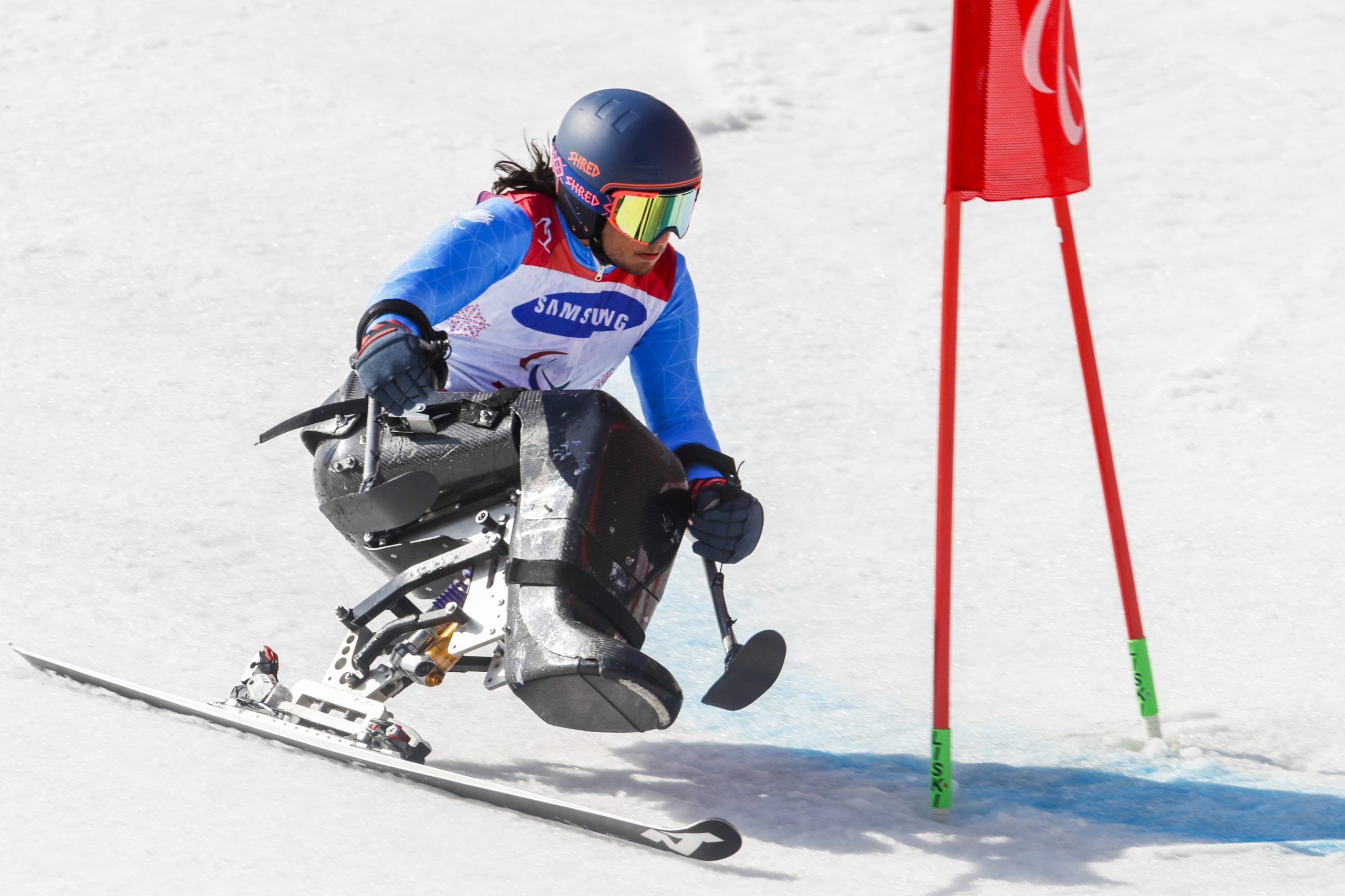
Lo alpine skiing is one of the most spectacular disciplines of the Winter Paralympics. The competitions will be held from 7 to 15 March at the Tofane Alpine Skiing Centre, where athletes will compete in various specialities, including downhill, super-G, giant slalom e special slalom.
The competitions are open to all three main categories:
- Standing, for athletes who ski standing with possible equipment adaptations;
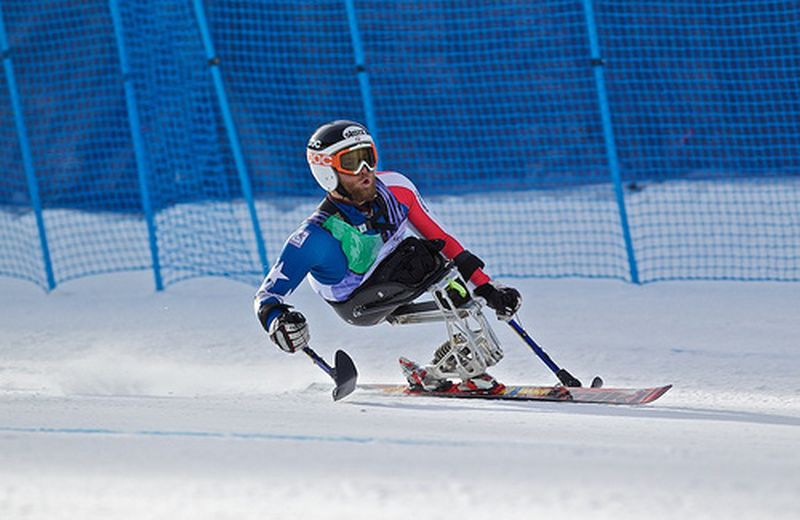
- Sitting, for athletes using a sit-ski, a seat mounted on a ski that allows you to tackle the slope while maintaining stability and control;
- Visually impaired, in which the athlete runs down the track following the voice instructions of the guide in front of him.
Paralympic cross-country skiing
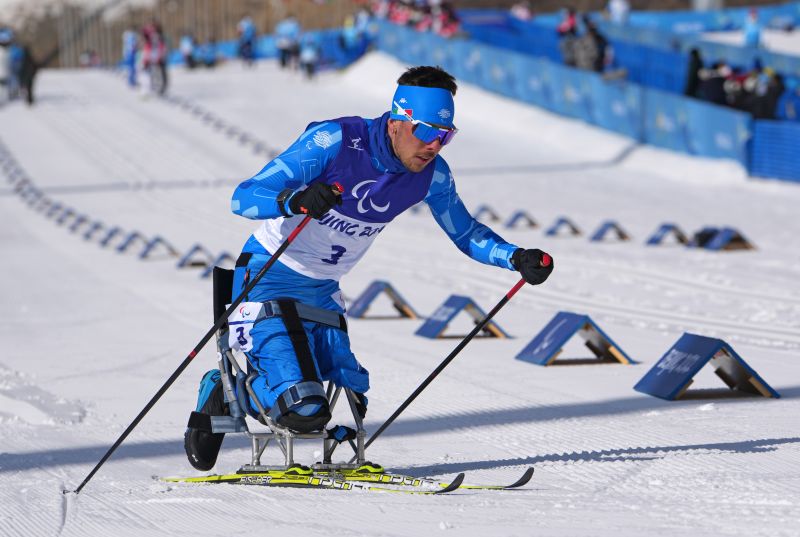
Lo Paralympic cross-country skiing, which will take place in Tesero from 10 to 15 March, is a speciality that requires great physical endurance and technical ability. Athletes will run courses of varying lengths over varying terrain, testing endurance, coordination and effort management. Among the various distances are the sprint, the 10km, 20km and relay 4×2.5km.
The three categories are also present in this discipline:
- Standing, with traditional skis and technical adaptations;
- Sitting, with the use of a special sledge equipped with skis;
- Visually impaired, with the support of a guide who accompanies the athlete along the route.
Here is the complete Paralympic cross-country skiing programme so you don't miss a single event!
Paralympic Biathlon
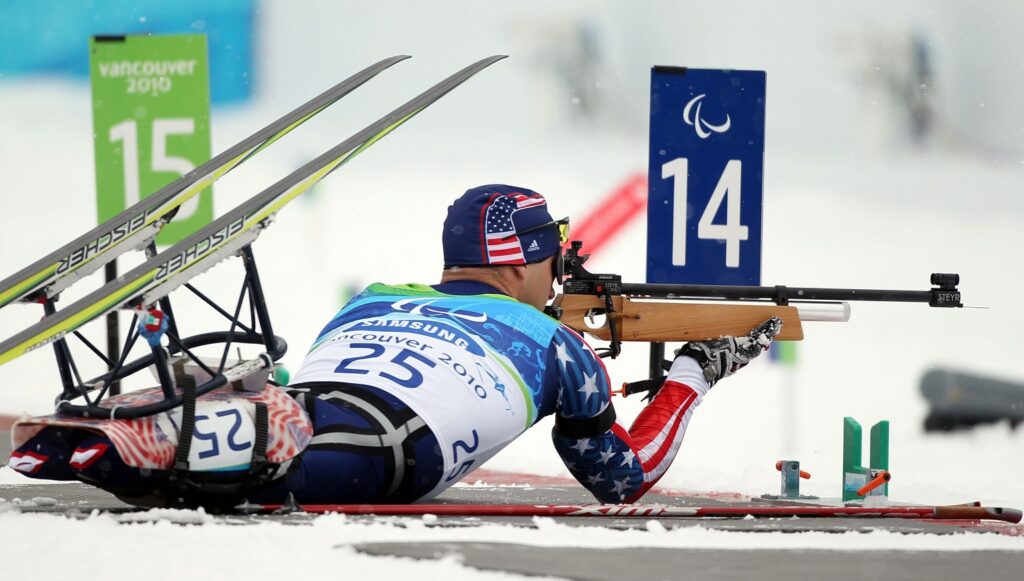
The appointment for Paralympic Biathlon will be from 7 to 13 March at the Tesero Cross-Country Skiing Stadium. During the competition, athletes alternate between skiing and target practice sessions, which require precision and breath control after an intense effort. In addition, athletes with a visual impairment use a acoustic targeting system which allows orientation towards the target through sound signals.
As in cross-country skiing, biathlon also has categories standing, sitting e visually impaired. Visit the official full programme of the Milan Cortina 2026 Paralympic Biathlon.
Para ice hockey
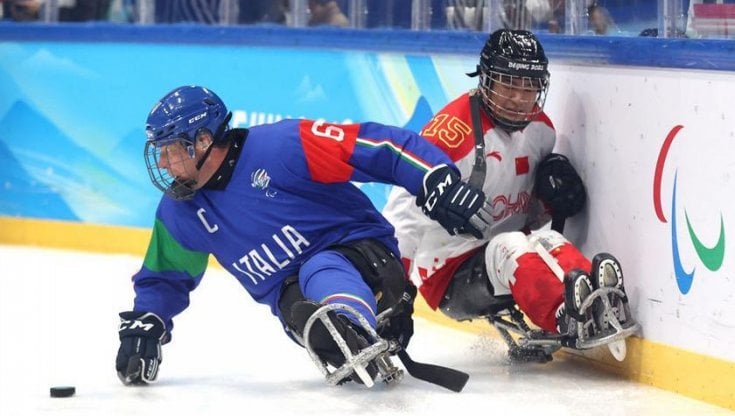
The para ice hockey is one of the most dynamic team sports in the Paralympic programme. Athletes move across the ice using slides equipped with blades, designed to ensure stability and speed. The competitions will open at the Milan Santa Giulia Ice Hockey Arena the 7 March, with the mixed team category, to compete for the gold medal the 15 March. Follow the official full programme!
Paralympic Snowboarding
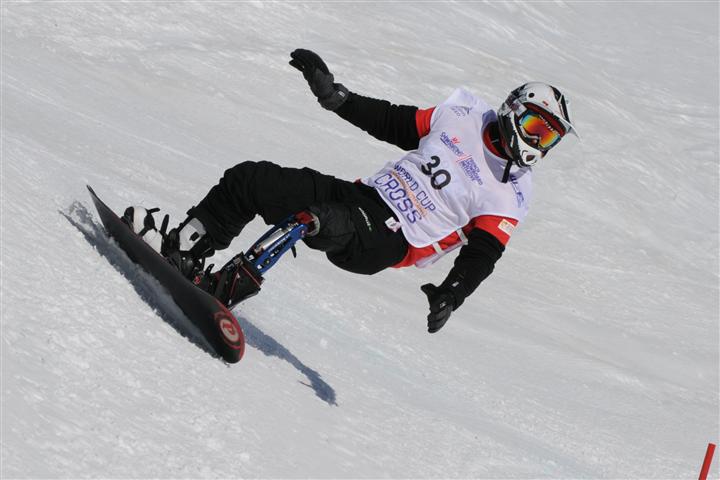
Lo Paralympic snowboarding is a relatively new discipline in the Games programme. The competitions will take place on technical and fast courses that require great balance, coordination and board control skills at the Cortina Para Snowboard Park, in the disciplines of banked slalom e snowboard cross. Currently, the discipline is reserved for athletes in the category standing, often with amputations or other disabilities in the lower limbs.
Wheelchair curling
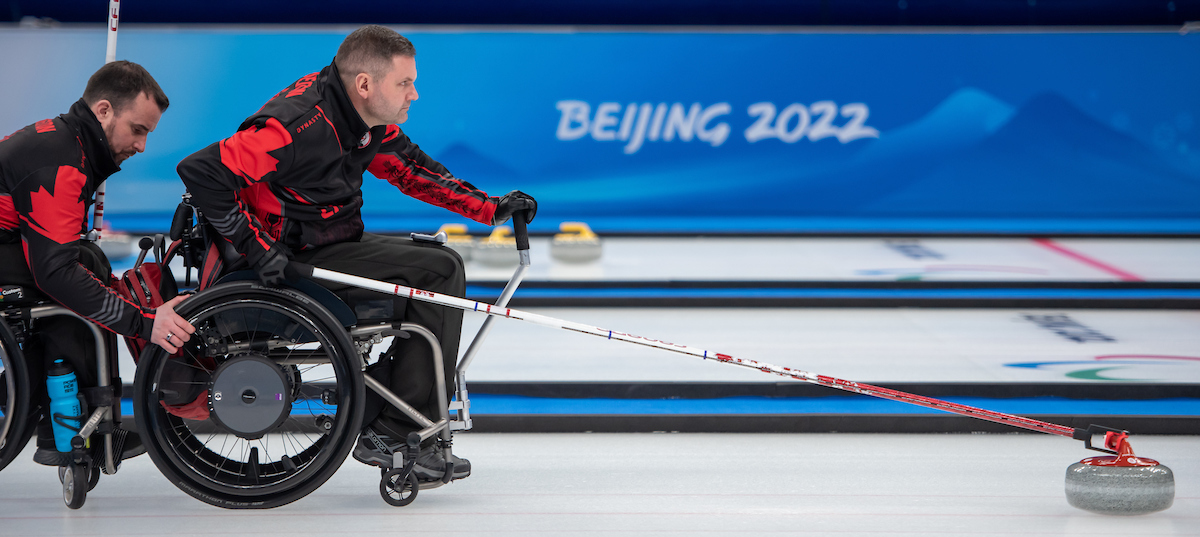
The wheelchair curling is the adapted version of traditional curling for athletes using the wheelchair. Unlike the Olympic version, the athletes do not perform the ice brushing phase after the stone throw.
The competitions are mainly based on precision, strategy and teamwork, making this discipline particularly technical and tactical. The competitions will continue until 14 March.
You can find the complete competition programme here.
The role of aids and technology in the 2026 Winter Paralympics
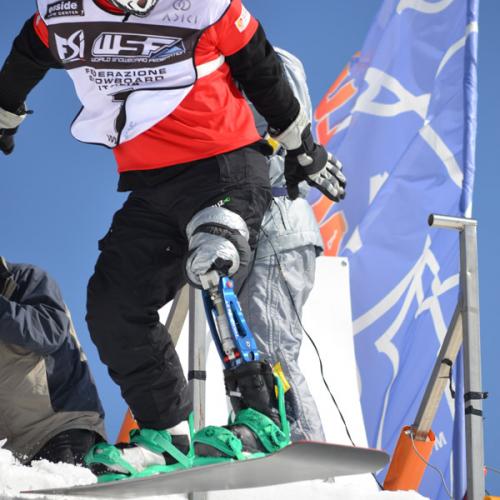
One of the most interesting aspects of the Winter Paralympics 2026 is the fundamental role played by the technology and the sports aids. In many Paralympic disciplines, specially designed equipment allows athletes to compete at a high level, ensuring safety, performance and adaptation to different needs.
Research in the field of sports aids has made significant progress in recent years. Innovative materials, ergonomic design e increasingly advanced technologies have helped to improve the athletes' performance and make the accessible sport to an increasing number of people.
The main solutions used in winter disciplines include different types of specific aids.
Sit-ski
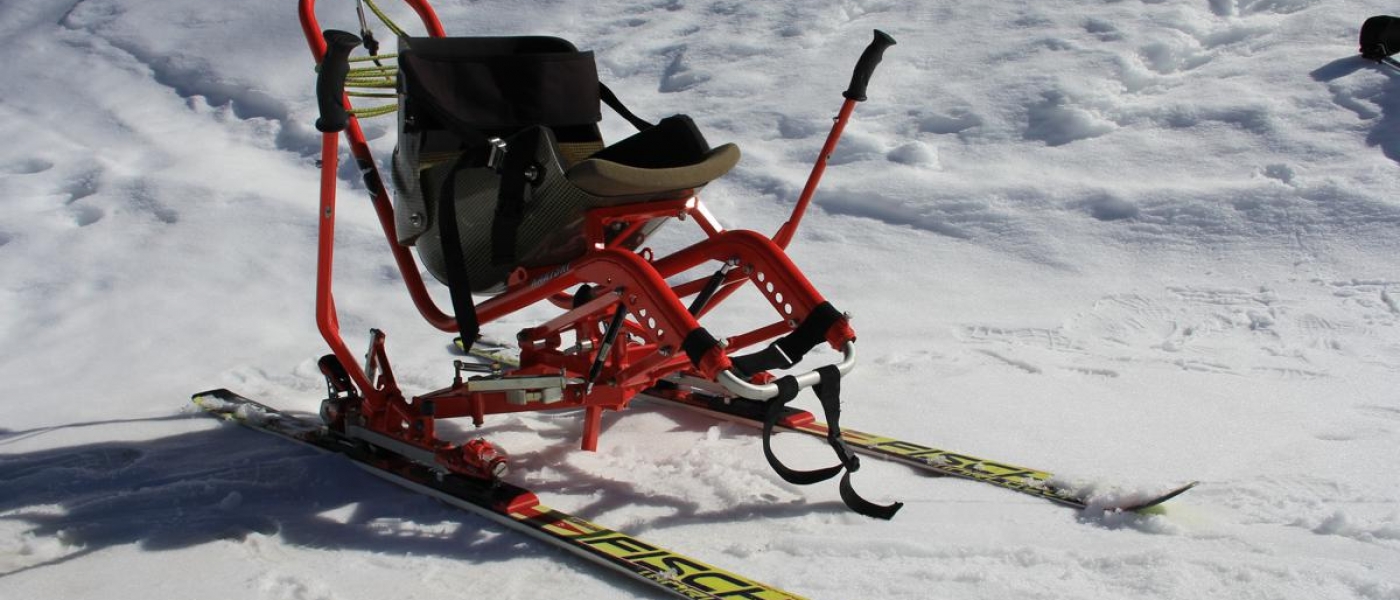
The sit-ski is one of the most representative winter Paralympic sports aids. It is a structure consisting of a seat mounted on one or two skis, designed to allow athletes with disabilities in their lower limbs to practice downhill or cross-country skiing.
The structure is designed to ensure stability, control and shock absorption while downhill or on race courses. Athletes also use two small sticks with stabilisers to maintain balance and manage turns.
Sports prostheses
In disciplines such as snowboarding or alpine skiing in the standing category, many athletes use sports prostheses designed specifically for competitive activity.
Compared to prostheses used in everyday life, sports prostheses are made of particularly light and strong materials, such as composite fibres and advanced alloys. The aim is to offer greater responsiveness, stability and capacity to absorb the stresses generated during sporting activity.
Guidance systems for visually impaired athletes
Visually impaired athletes participate in competitions with the support of a guide, In snow disciplines, the guide skis in front of the athlete and provides constant information on the direction, pace and any changes in slope. Communication takes place via direct voice commands or via radio systems integrated into the helmet.
In biathlon, moreover, the following are used acoustic targeting systems, which allow the athlete to locate the target through sound signals that become more intense as the aim approaches the centre.
Sleds for para ice hockey
In para ice hockey athletes use a sledge equipped with two blades that allows them to move on the ice while maintaining stability and speed.
Players use two special sticks: one end is equipped with small metal spikes to propel themselves on the ice, while the other is used to control and hit the puck. This configuration allows for quick movements and great agility during the game.
Innovation and accessibility to the 2026 Winter Paralympics
The technologies used in the paralympic sport often represent a laboratory of innovation that has positive effects also in daily life. In fact, many solutions developed for sporting activity help to improve the design of mobility aids, promoting greater autonomy and participation.
For companies operating in the field of assistive technology, such as Mia Medical, technological progress is central: innovation, research and attention to people's needs are fundamental tools for promoting an increasingly accessible and inclusive society.
Winter Paralympics Milan Cortina 2026: A sporting event with a strong social impact
Le Paralympics represent not only a high-level sporting competition, but also an important opportunity to raising awareness of disability.
Through the visibility of the athletes and their performances, the event contributes to counteract stereotypes and prejudices still present in society, promoting a more inclusive culture.
For companies involved in the field of aids and mobility such as Mia Medical, initiatives of this kind represent an important moment of reflection on the importance accessibility, of innovation and the right of all people to participate fully in social and sporting life.
Don't forget to subscribe to our newsletter, so you don't miss any news about the world of accessible tourism, disabilities, health aids and much more!